Form Stable Bags
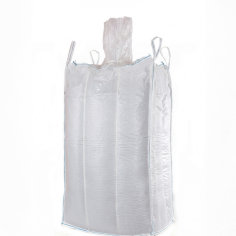
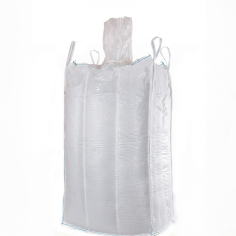
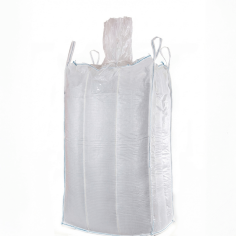
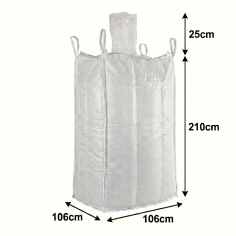
Formstable big bags are also known as Q-bags. One of the most efficient big bags we have in our portfolio. Not only because of their height but most importantly because they stay square after filling the big bags.
What Is a Formstable Big Bag and What Does It Do?
A Formstable Big Bag is a big bag with an internal baffle sewn inside the four walls. This baffle holds the bag in a perfectly square shape when filled, which is why these bags are also commonly called Q-bags or baffle bags.
Standard big bags tend to bulge outward when filled, gaining up to 10% more volume in a rounded shape. This belly effect means they take up more space than they should and become harder to stack and transport efficiently.
Formstable Q-bags solve this problem completely. Because they stay square, they fit perfectly against warehouse walls, inside containers and on lorries, letting you load significantly more bags in the same space. The result is a direct saving of more than 25% on your transport and packaging costs.
At 123BigBags, we stock formstable Q-bags in three standard sizes and can produce custom bags to your exact specifications on request.
The Science Behind It
How Formstable Big Bags Work
The secret is the baffle: a panel of fabric sewn inside the bag between opposite walls. When filled, it prevents the sides from pushing outward and locks the bag into its square shape.
Containers, warehouses and lorries are all built around straight lines. Square bags slot together perfectly with no wasted space between them. Standard bags touch only at their widest points, leaving awkward corner gaps and making unloading harder. Q-bags stack cleanly and unload faster.
| ✗ Standard Big Bag |
✓ Formstable Q-Bag |
| Bulges up to 10% wider when filled |
Stays perfectly square when filled |
| Irregular shape wastes space in containers |
Fits precisely against container and lorry walls |
| Bags press against each other awkwardly |
Bags stack cleanly side by side |
| Harder and slower to unload |
Faster and easier to unload |
| Does not sit within pallet dimensions |
Stays within standard pallet dimensions |
| Higher transport cost per unit |
Saves more than 25% on transport costs |
The Business Case
How Much Can You Save with Formstable Q-Bags?
The saving comes directly from space efficiency. Square bags fit more tightly into containers, lorries and warehouses with no gaps from rounded sides. The same container holds more bags per trip, meaning fewer trips and a lower cost per tonne moved.
For businesses shipping bulk goods regularly, even a modest reduction in shipments per year adds up fast. Our formstable bags are also made from laminated fabric that protects goods from moisture and dust, cutting damaged loads on top of the transport savings.
Inside the Bag
Standard Baffle vs Net Baffle: Which One Do You Need?
The baffle is what makes a formstable bag formstable. There are two main types and the right choice depends on what you are filling your bags with.
Standard Baffle
Most Common
Made from solid woven polypropylene fabric with holes cut into it. The holes allow material to flow through and fill the corners properly during loading, while the fabric panel keeps the walls from bulging outward. Works well for granules, aggregates, sand, gravel and construction materials.
Net Baffle (Cord Baffle)
For Powders and Light Materials
Made from cord or rope woven into an open mesh structure. Allows even very fine powders and light materials to distribute freely throughout the bag. Preferred for flour, cement powder, chemicals and other fine materials.
Not Sure Which Baffle You Need?
As a simple rule: if your material flows freely and is coarse or granular, a standard baffle works perfectly. If your material is very fine, powdery or light, a net baffle is the better choice.
Making the Right Choice
How to Choose the Right Formstable Big Bag
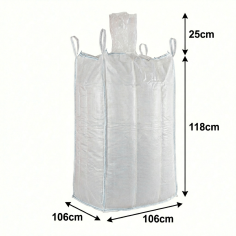
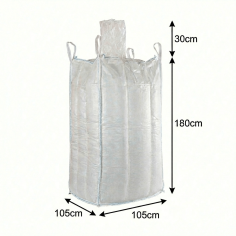
Most customers start with one of our three standard sizes:
- 1.3m³ — a compact bag that fits on a euro pallet, good for lighter materials.
- 2.0m³ — our most popular size, suits most bulk goods including granules, aggregates, seeds and chemicals.
- 2.4m³ — maximum capacity per bag, ideal for high-volume operations.
All three come with laminated fabric, a filling spout and an emptying spout. Need different loops, a larger spout or a net baffle? Contact us for a custom bag.
Frequently Asked Questions
Common questions about form-stable big bags, baffles and choosing the right size.
What is a form-stable big bag?
A form-stable big bag, also called a Q-bag or baffle bag, has an internal baffle panel sewn inside the four walls. This baffle holds the bag in a perfectly square shape when filled. Standard big bags bulge outward by up to 10% when filled. Q-bags stay square, which means they stack more tightly and save more than 25% on transport costs.
What is the difference between a Q-bag and a standard big bag?
A standard big bag rounds outward when filled due to the pressure of the material inside. A Q-bag has an internal baffle that prevents the walls from pushing out, resulting in a perfectly square bag that slots tightly against container walls and lets you fit significantly more bags per trip.
What is a baffle inside a big bag?
A baffle is a panel of fabric or cord sewn inside the bag between opposite walls. When filled, it stops the sides from bulging outward and locks the bag into a square shape.
What is the difference between a standard baffle and a net baffle?
A standard baffle is solid woven polypropylene with holes cut into it, suited for granules, aggregates, sand and gravel. A net baffle is cord or rope in an open mesh, suited for flour, cement powder and other fine or powdery materials.
How much space can I save with form-stable Q-bags?
More than 25% on transport and packaging costs, thanks to space efficiency: square bags fit flush against container and lorry walls with no wasted gaps.
What sizes are available in form-stable Q-bags?
Three standard sizes: 1.3m³ (compact, euro pallet), 2.0m³ (most popular), and 2.4m³ (maximum capacity). Custom sizes are available on request.
What materials are Q-bags suitable for?
Standard baffle Q-bags suit granules, aggregates, sand, gravel and construction materials. Net baffle Q-bags suit flour, cement powder and fine chemicals.
Are form-stable bags more expensive than standard big bags?
They cost slightly more per unit due to the baffle panel, but transport savings from fitting more bags per container typically far outweigh the higher unit price.
Can I get a form-stable Q-bag with a custom size or print?
Yes. Custom dimensions, loop types, spout sizes, net or standard baffles, and custom printing with your company logo are all available on request.
Do Q-bags come with filling and emptying spouts?
Yes, all standard form-stable Q-bags come with a filling spout at the top and an emptying spout at the bottom. Custom spout configurations are available on request.
Not sure which Q-bag is right for your material?
Contact our team and we will advise you for free.